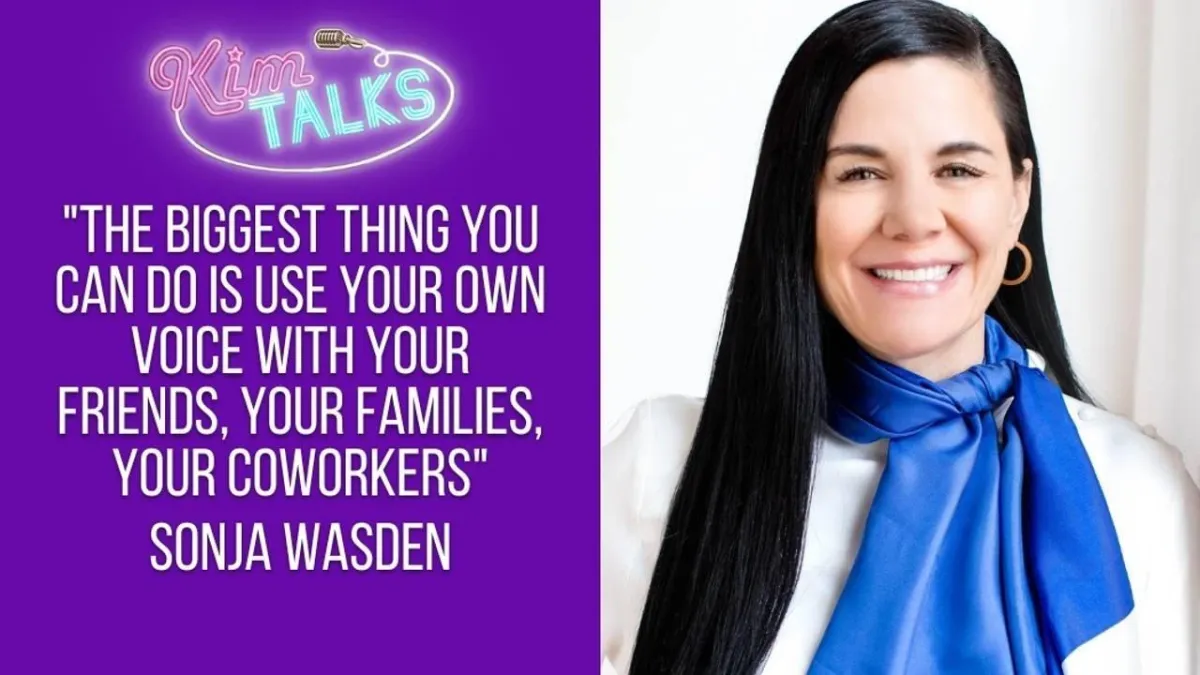
“Kim Talks Resilience with Sonya Wasden: A Suicide Survivor’s Story of Hope”
In this blog, Kim talks to mental health advocate, suicide survivor and author Sonja Wasden about resilience and how important it is for women entrepreneurs. Sonja shares her story of overcoming bipolar, OCD and anxiety disorder, and talks about the importance of speaking up about mental health within our families and communities.
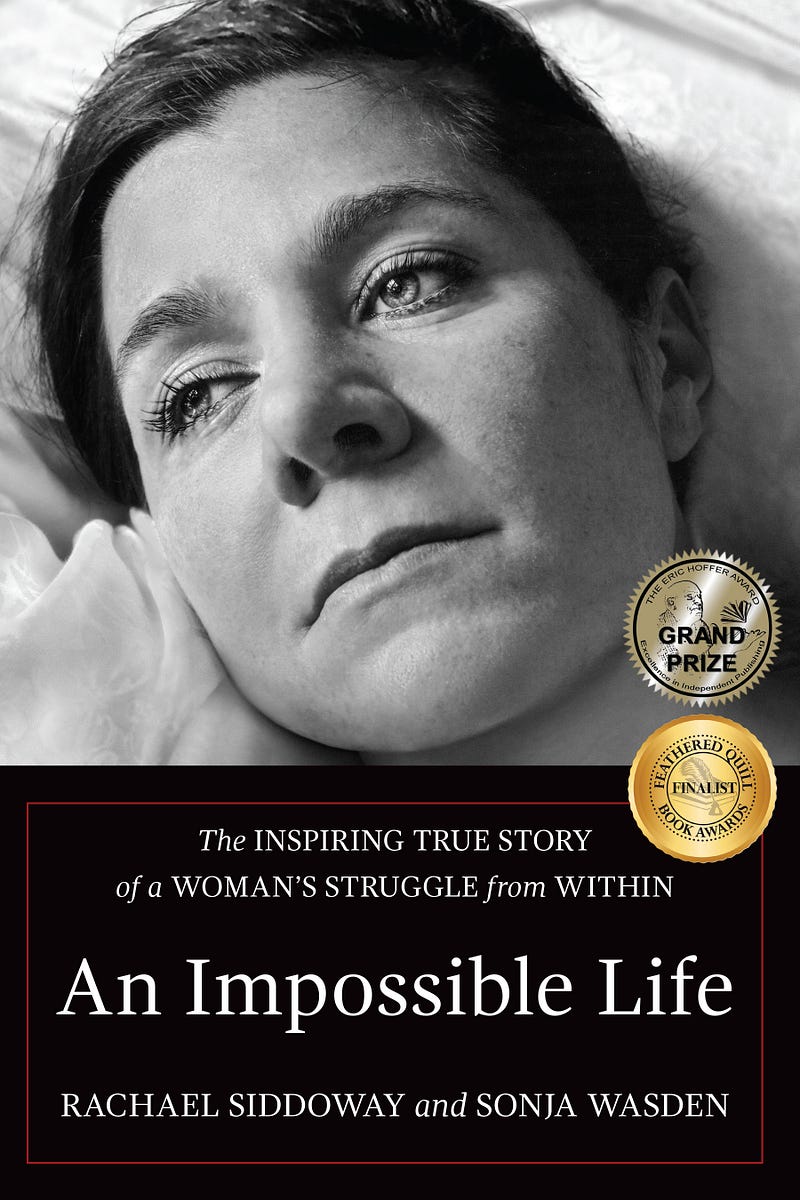
https://www.amazon.com/Impossible-Life-Inspiring-Journey-Struggle-ebook/dp/B07NVW99D9
Do you ever feel like you’re hustling non-stop and not getting the results you want? Like you’re doing everything you’re supposed to do to be successful, but something’s still missing? If you’re a resilient woman entrepreneur, you know the drill: work hard,
Sonja Wasden is a suicide survivor and mental health advocate. She has been interviewed on CBS The Morning Show and Tamarind Hall show. Her mental health advocacy works include doing mental health books, clubs, and women in women’s prisons across the country. Even Oprah Winfrey has participated in one of her programs. Wasden is passionate about having conversations around mental health. She has shared her inspiring stories with millions of people. And now you get to be part of her circle.
Sonja lost her father to suicide and manages mental health disorders, which run in her family. She hid her mental illness for over 20 years. As a keynote speaker, she speaks about mental health in the workplace. Wasden is also a member of Newsweek expert forum.
Here are the steps you need to follow to also get Success, balance, and community:
1. Use your voice to advocate for mental health within your family and friend groups.
2. Take care of your physical health by doing simple things like going for walks.
3. Take the time to see and connect with others.
1. Use your voice to advocate for mental health within your family and friend groups.
To advocate for mental health within your family and friend groups, start by having conversations about mental health. Discuss the importance of mental health, offer support to those who are struggling, and be a listening ear for anyone who wants to talk. Additionally, try to normalize mental health conversations by bringing up mental health topics in everyday conversation. This can help reduce the stigma around mental health and make it more acceptable to talk about. Finally, be an advocate for mental health in your community by supporting mental health initiatives and speaking out against discrimination.
If you are struggling with mental health, it is important to seek professional help. There are many mental health professionals who can help you manage your mental health. Additionally, there are many online resources and support groups available. Do not be afraid to reach out for help when you need it. It is also important to take care of your physical health. Mental and physical health are closely linked, so taking care of your body can also help improve your mental health. Eat healthy foods, exercise regularly, and get enough sleep. These things will help you feel your best and be able to cope with mental health challenges.
2. Take care of your physical health by doing simple things like going for walks.
To take care of your physical health, simply go for walks. Walking is a great way to get some exercise and fresh air, and it can help clear your mind. If you can, try to walk in nature, as being in nature has been shown to have positive effects on mental health.
In addition to walking, there are a few other simple things you can do to take care of your physical health. Eating healthy foods and getting enough sleep are both important, and you should also make sure to stay hydrated. You can also try to add some light exercise to your daily routine, such as stretching or yoga. Taking care of your physical health is important for overall well-being, and it doesn’t have to be complicated or time-consuming. Just a few simple changes can make a big difference.
3. Take the time to see and connect with others.
If you are looking to be a mental health advocate, the best thing you can do is use your voice within your families and communities. Speak up about your experiences and share your stories in order to help break the stigma around mental health. You can also join forces with existing mental health advocacy groups in order to help spread awareness and support those who are struggling.
In addition to using your voice, it is also important to take the time to see and connect with others. This can be done by attending events or support groups, or simply by reaching out to someone you know who may be struggling. Showing your support and care can make a big difference in someone’s life. If you are not sure how to get started, there are many resources available online and in your community. You can also contact a mental health professional for guidance. Remember, you are not alone in this journey. There are many people who care about you and are here to support you.
Resilient women entrepreneurs know the drill: work hard, don’t give up, and keep fighting for what you believe in. Just like Sonja Wasden, who overcame bipolar OCD and anxiety disorder and is now a mental health advocate. So if you’re feeling like you can’t keep going, remember that you are not alone and that you are capable of anything.
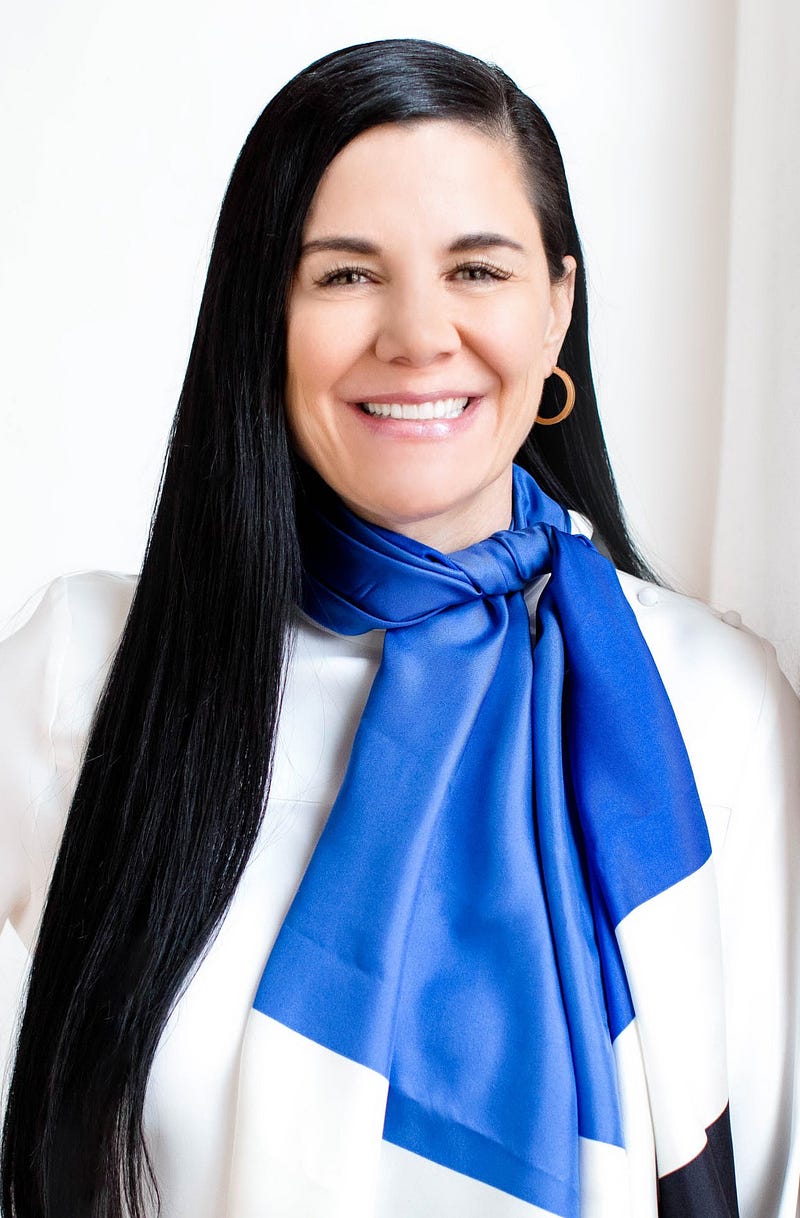
Sonja Wasden https://www.sonjawasden.com
I’d love to hear about you and your experience . Leave me a comment on how it went for you or drop any questions you want me to answer!